
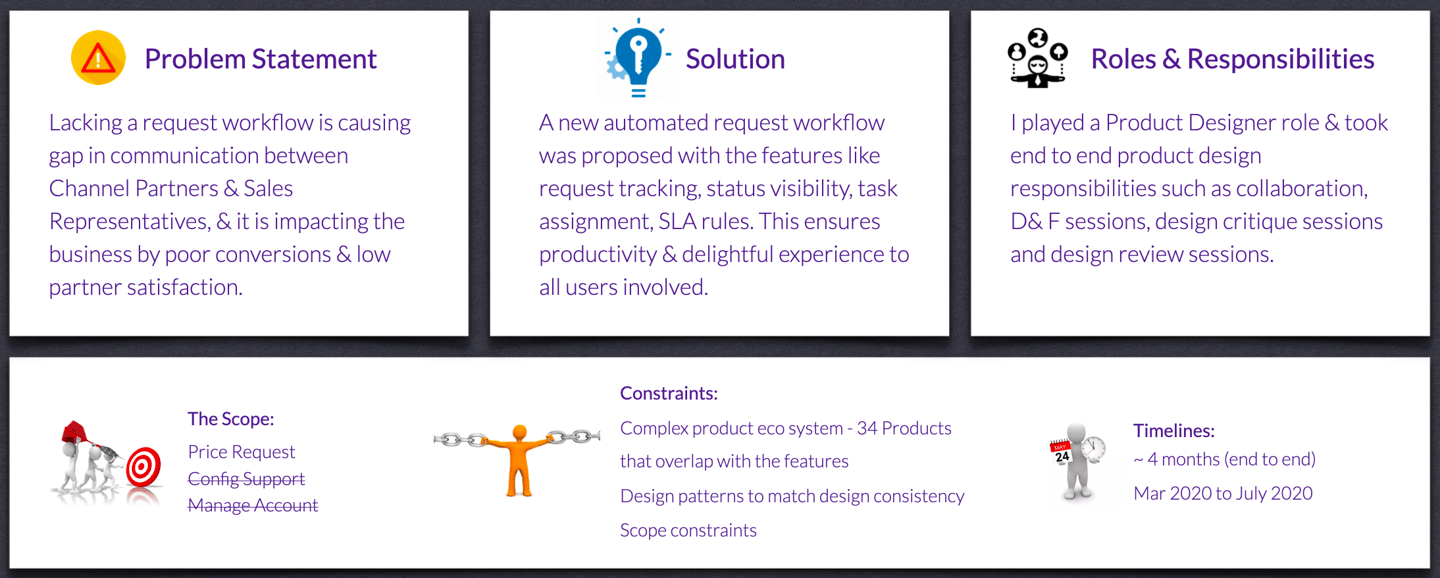
The Online Solution Configurator is a Dell Sales application designed for Channel Partners, helping them identify enterprise hardware needs, capture customer details, and track orders from initiation to delivery. Users collaborate with their customers to configure complex infrastructure, apply deals, finalize pricing, and generate customized quotes.
💼 Key Challenges:
Customers often negotiate for better pricing, leading to multiple quote revisions and a complex history of changes.
Manual communication between Channel Partners and Dell Sales Representatives for technical/business support caused delays, miscommunication, and inefficiencies.
The newly migrated tool lacked an automated communication feature, leading to frustration, poor tracking, and decreased conversion rates.
High reliance on manual follow-ups and escalations reduced productivity for both Channel Partners and Sales Reps.
Dell Price Request
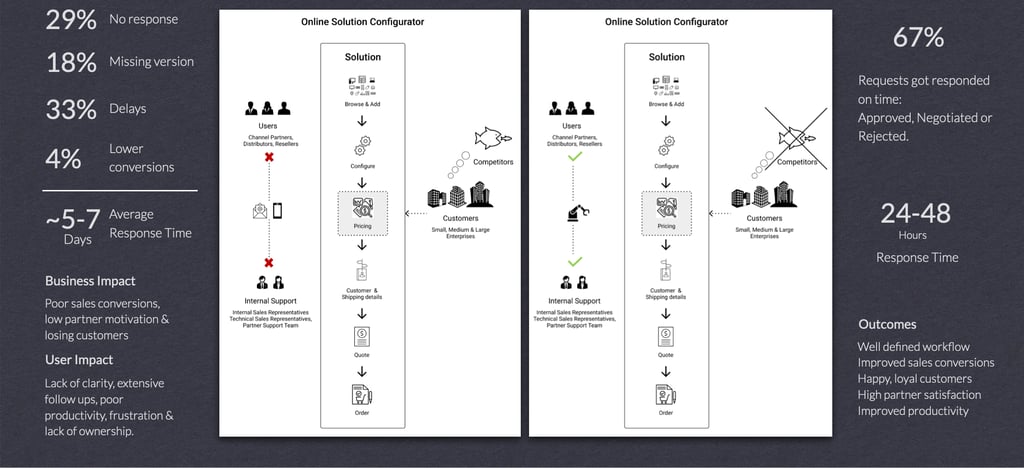
🖼️ Before: Dell Solution Configurator
Innovative design solution to address the last minute drop off deals by streamlined communication.
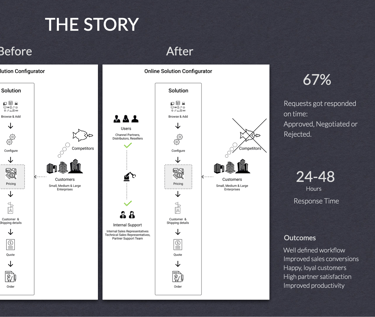
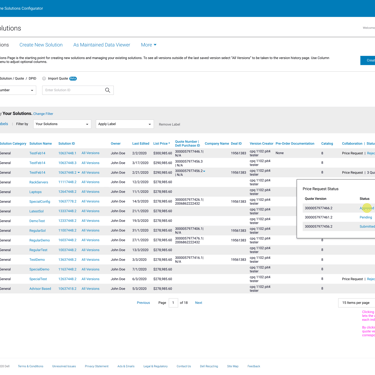
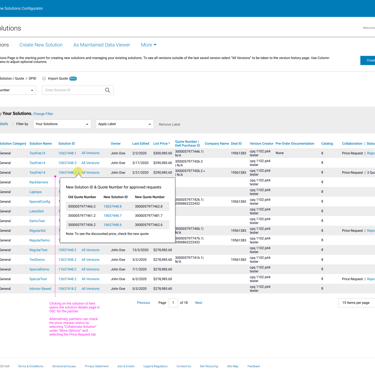
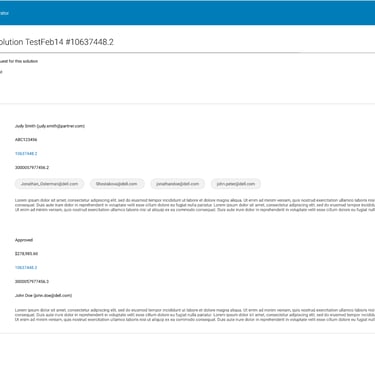
🖼️ After: Dell Solution Configurator
🖥️ Overview
🌟 Project Summary
🎯 Design Process
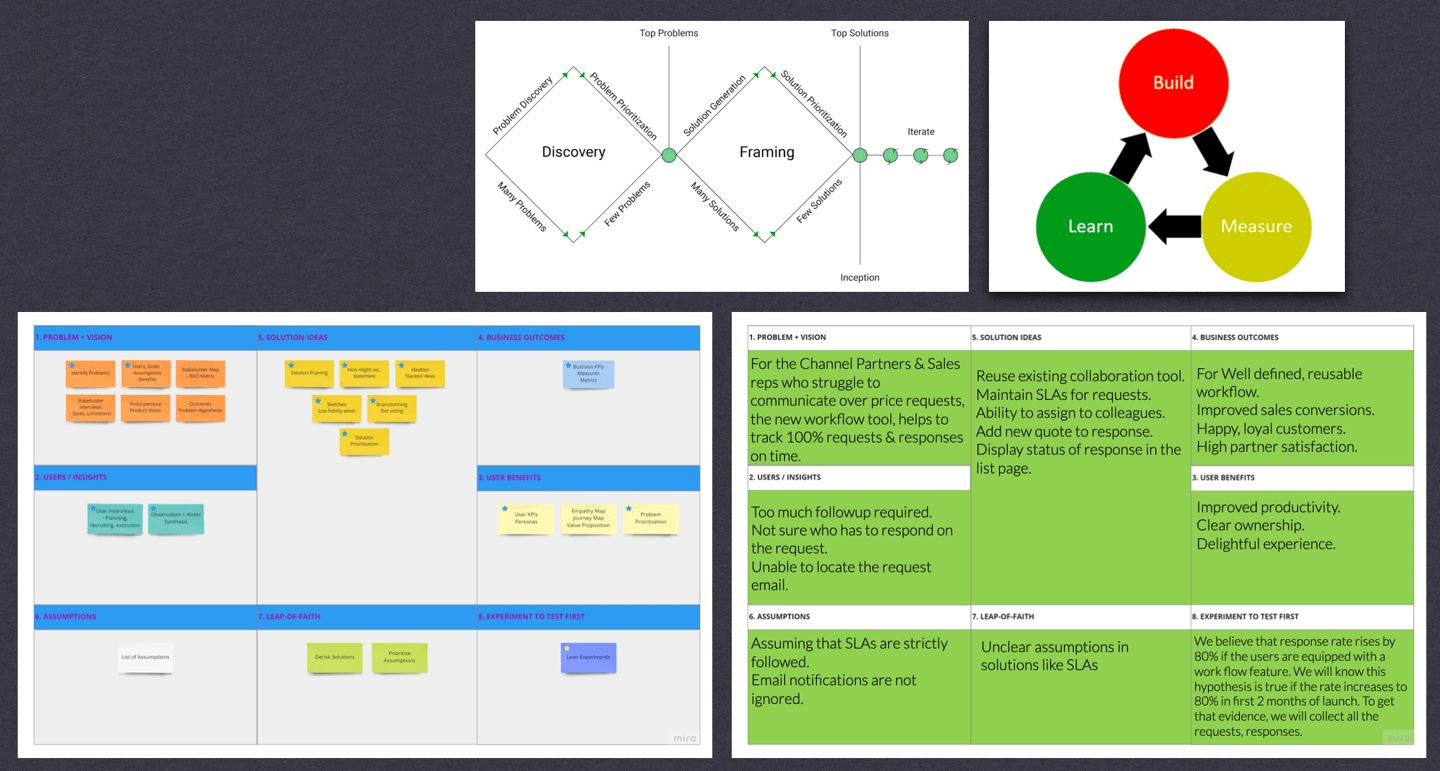
I followed the Lean UX approach, which Dell promotes and commonly follows across the business.
🔹 Discovery Phase: Mapped existing pain points, identified critical touchpoints, and analyzed communication workflows.
🔹 Research & Prioritization: Conducted user interviews, synthesized responses, and defined priority problems.
🔹 Solution Ideation: Worked with stakeholders to brainstorm innovative ideas, frame 'How Might We' statements, and sketch potential solutions.
🔹 Validation & Testing: Created high-fidelity wireframes in Figma, tested with users, and iterated based on feedback.
🔹 Implementation & Measurement: Collaborated with Agile teams, ensured seamless handoff, and tracked post-launch analytics.
🔍 Problem Discovery
Process followed
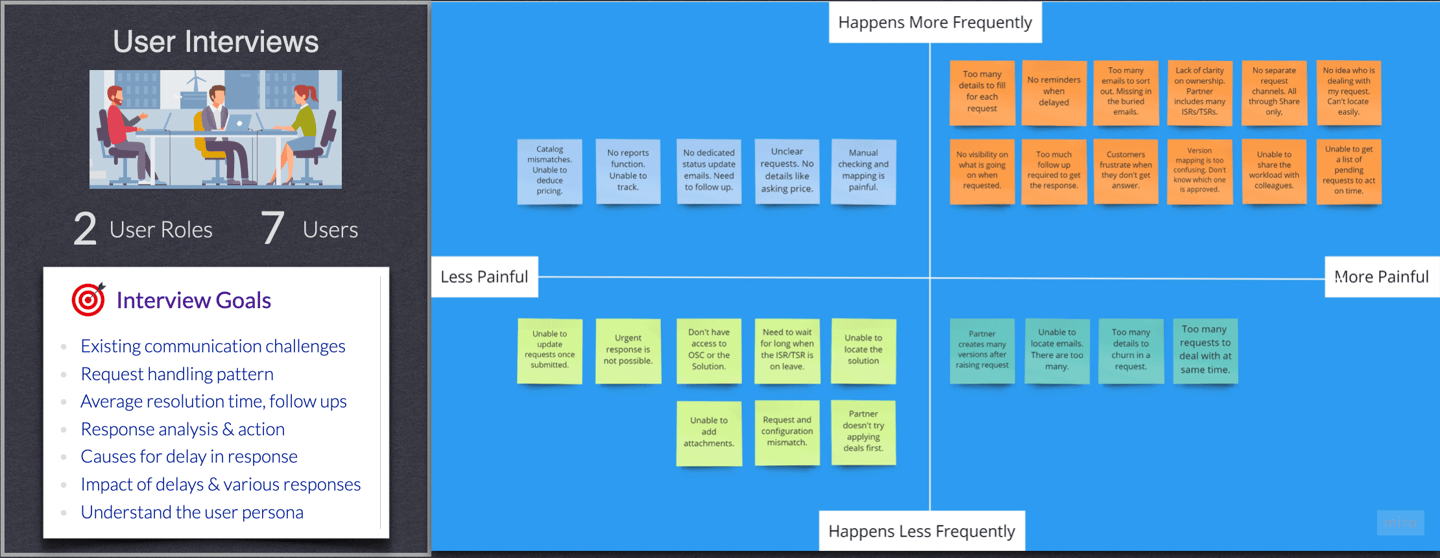
To deeply understand user pain points, I conducted:
🎤 7 in-depth user interviews across Channel Partners and Sales Representatives.
📊 Heuristic evaluations of the existing system.
📌 Data analysis on request processing delays and conversion rates.
💡 Key Insights:
📖 Lack of structured communication led to missed or delayed responses.
🔄 High dependency on Sales Reps resulted in bottlenecks.
⏳ Time-consuming manual tracking slowed deal closures.
🎯 Outcome: These insights prioritized key challenges, shaping the design focus.
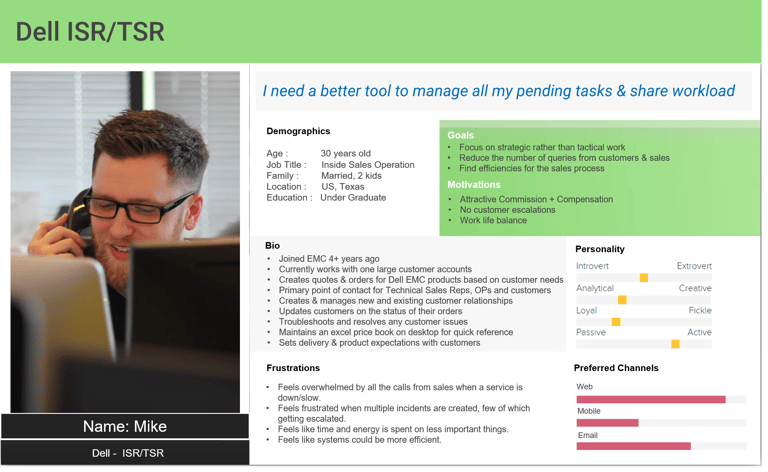
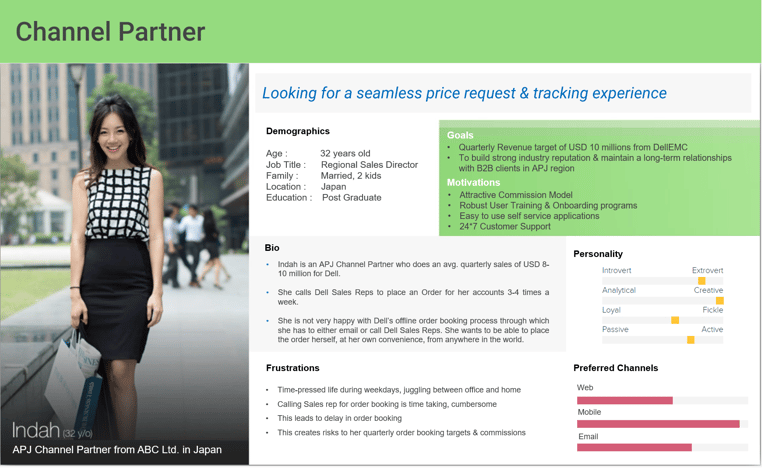
I developed detailed personas based on research, helping to:
✔ Build empathy and align design decisions with user needs.
✔ Ensure stakeholder buy-in by referencing real challenges faced by users.
Beta Version Analysis
👤 User personas
💡 Solution Framing
🏆 Solution hypothesis:
The hypothesis considered for the solution framing was "We believe that response rates will increase by 80% if Channel Partners & Sales Representatives have an automated request workflow feature."
🔍 Ideation & Prioritization:
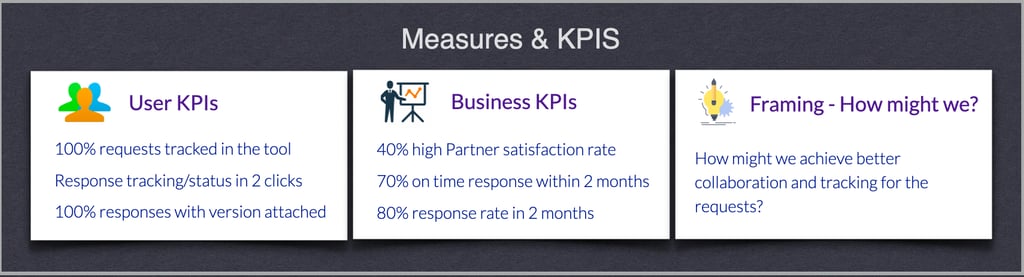
✅ User KPIs were defined from interview insights.
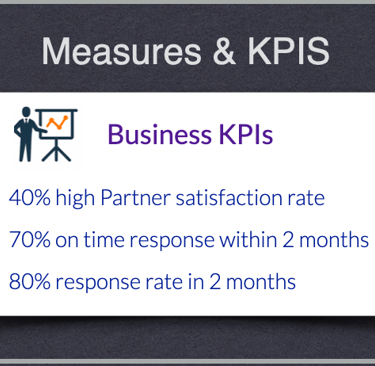
✅ Business KPIs were aligned with product goals.
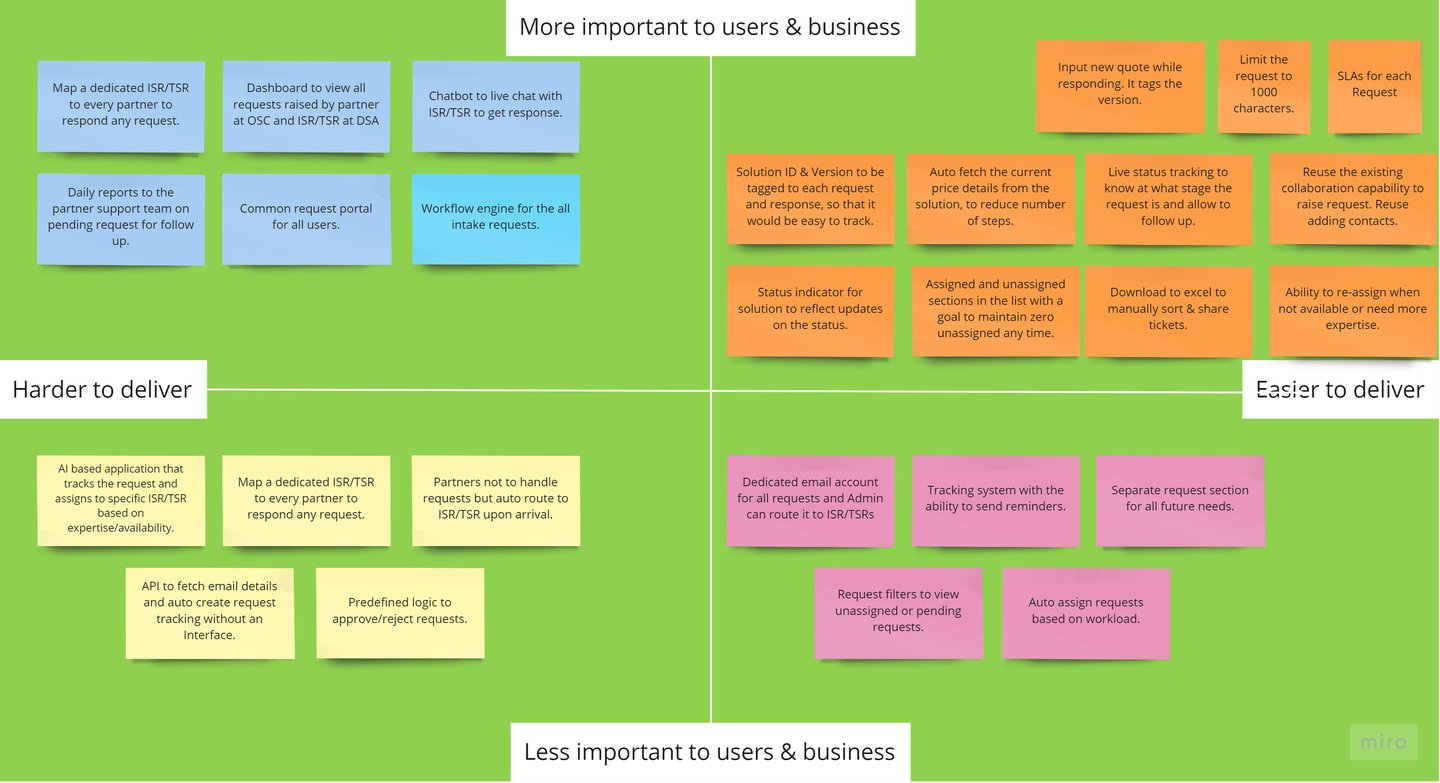
✅ Voting sessions with stakeholders prioritized problems & solutions.
🛠️ 'How Might We' statements encouraged creative problem-solving.
✏️ Sketching & Brainstorming visualized potential solutions.
🎯 Final concepts were selected based on feasibility & impact.
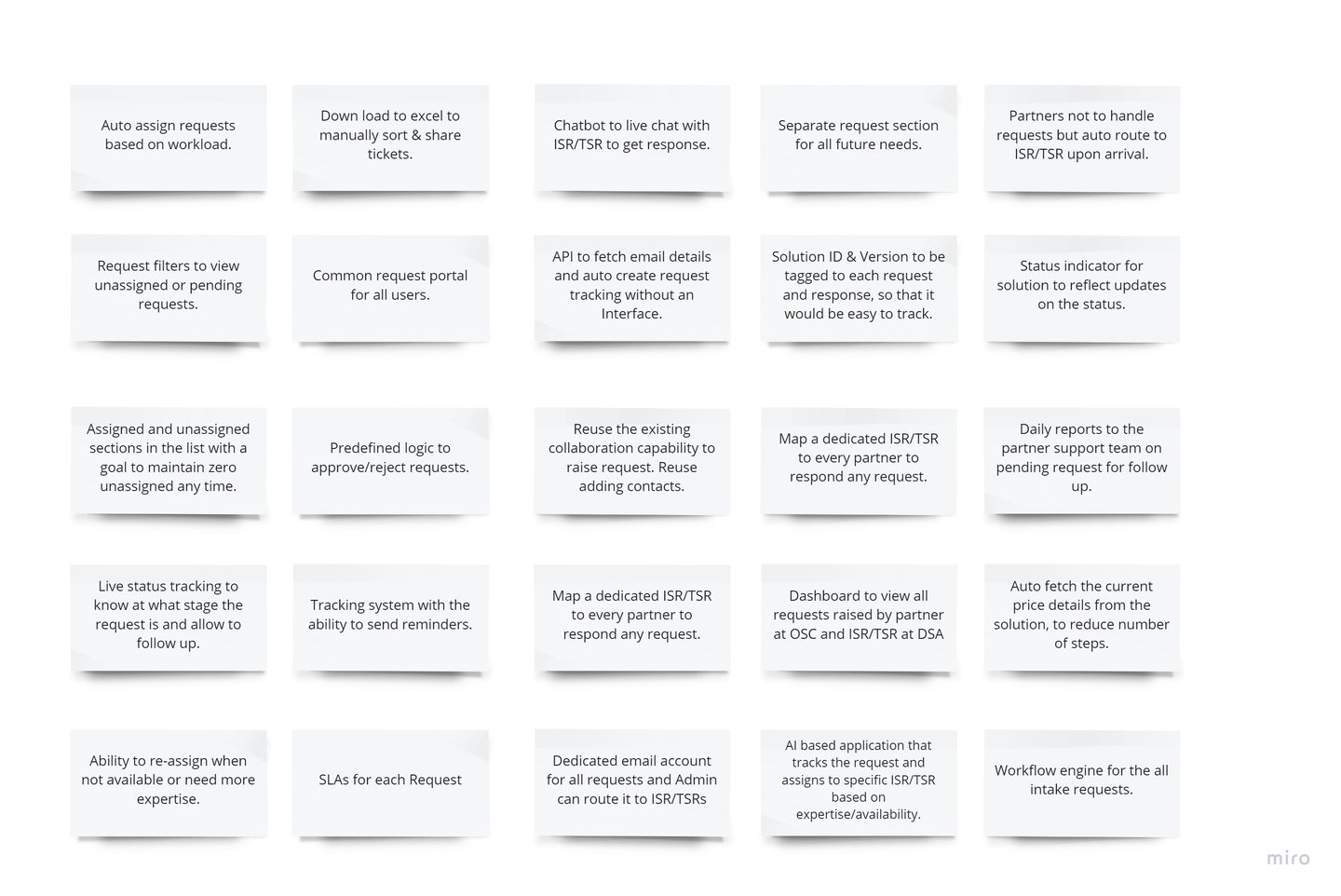
🔍 All collated ideas aligning to the KPIs & How might we statements
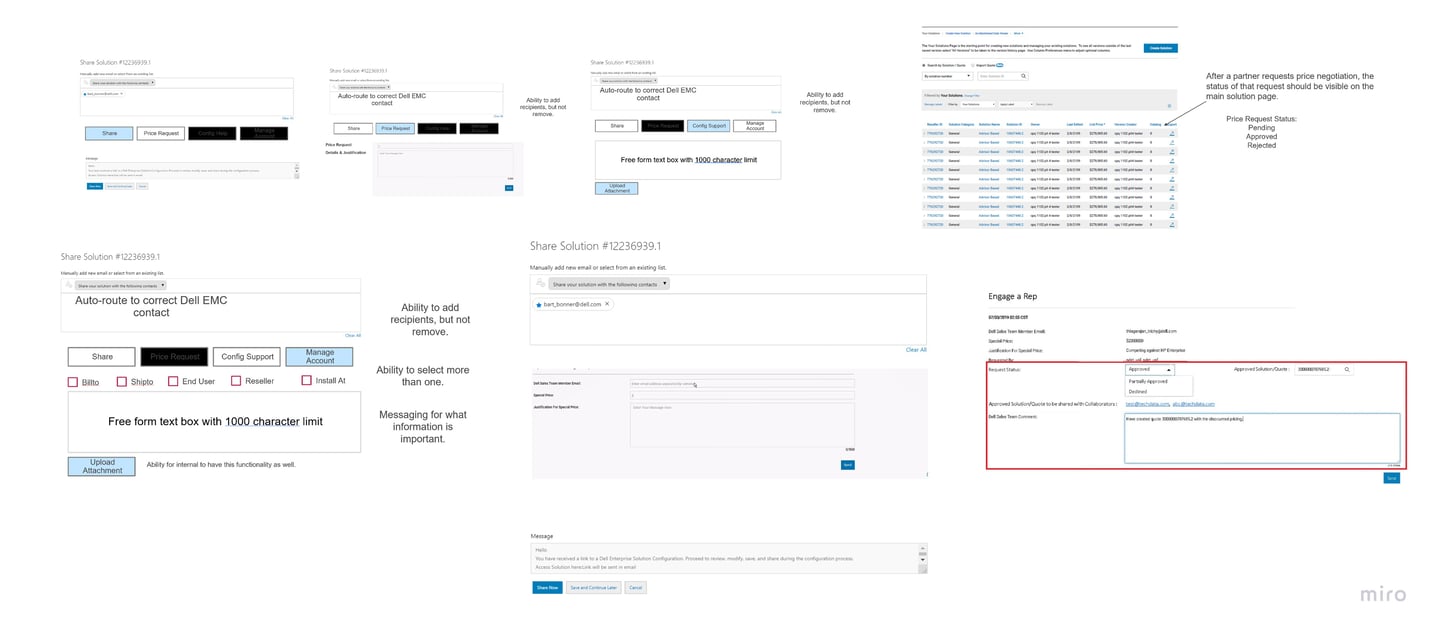
💡 Sketched ideas prioritised for further discussion and brainstorming
🔍 Solution prioritisation
Designing the Solution
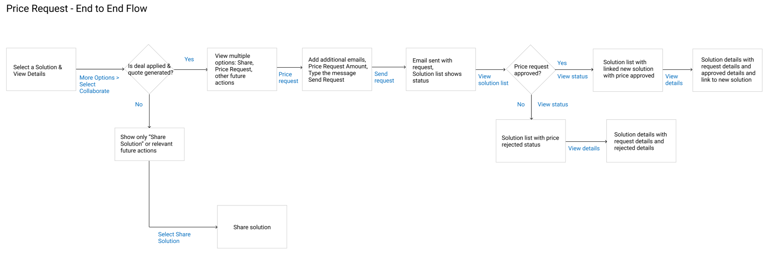
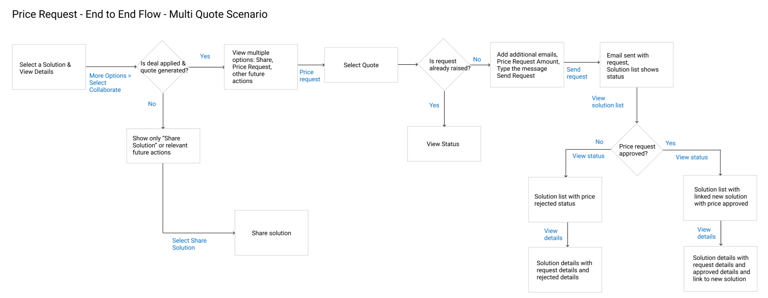
Once the solutions are prioritised, created flow diagrams for each feature and created detailed design.
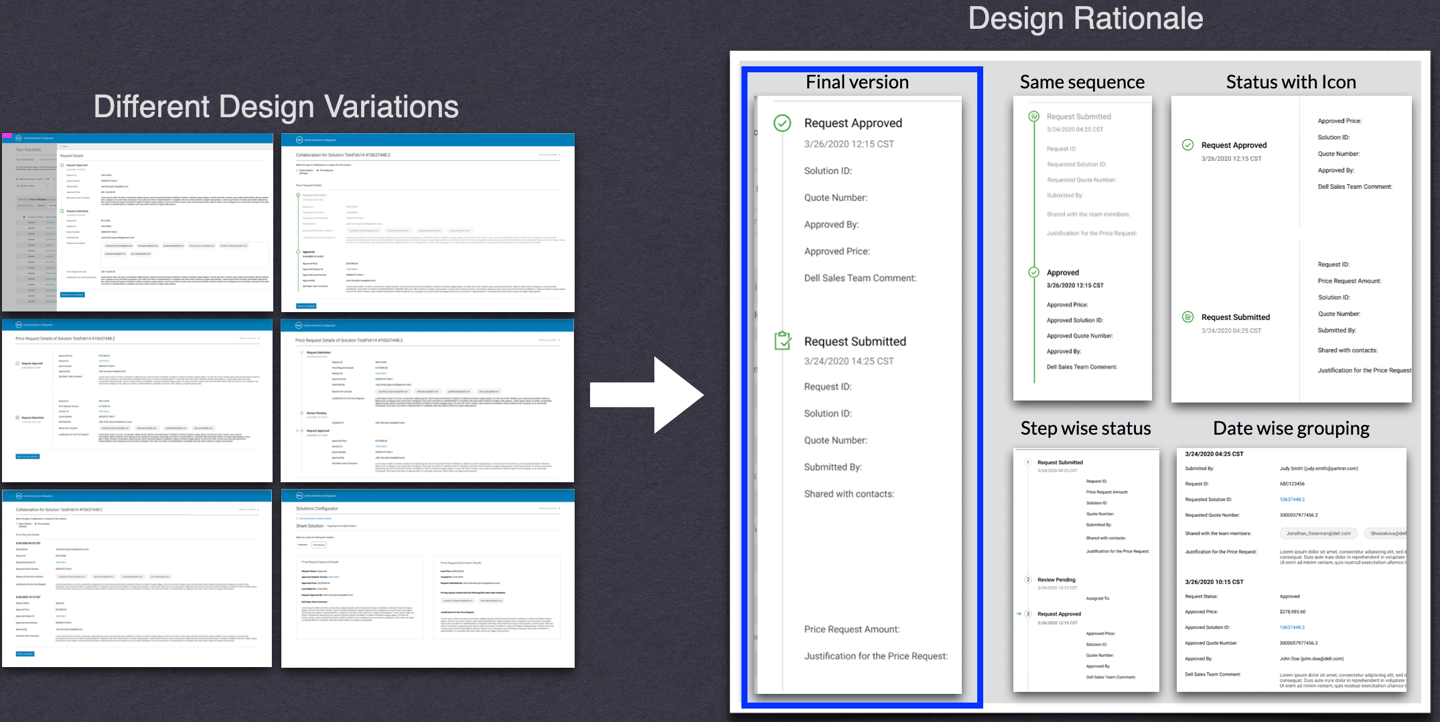
Various design options
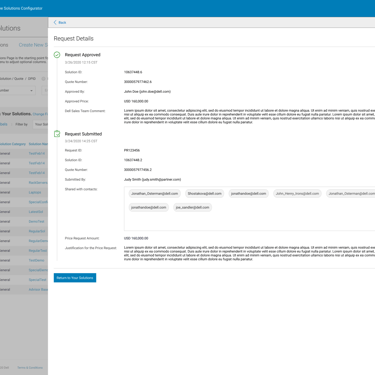
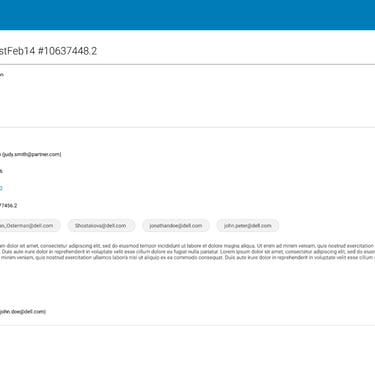
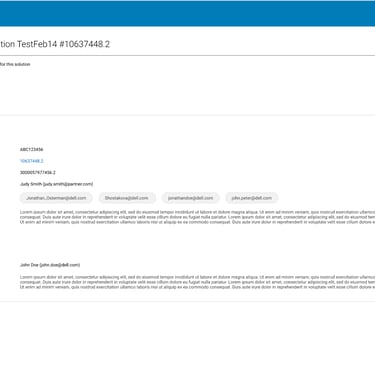
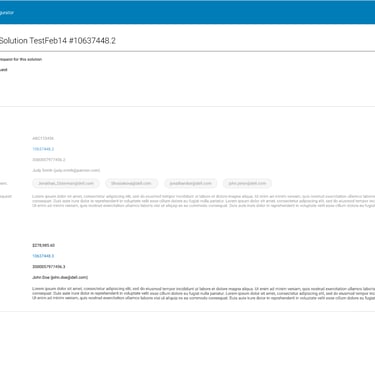
I came up with different design options for the users to check the status. The goal is to ensure that the user can quickly identify the status. I tested with users and based on the feedback, a simplified version of request and response was used.
User flows
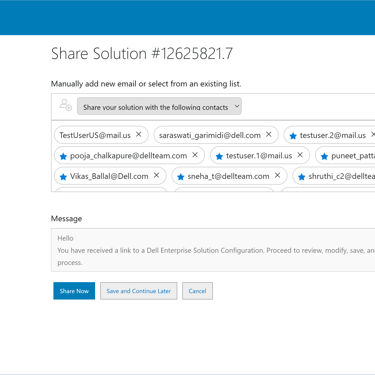
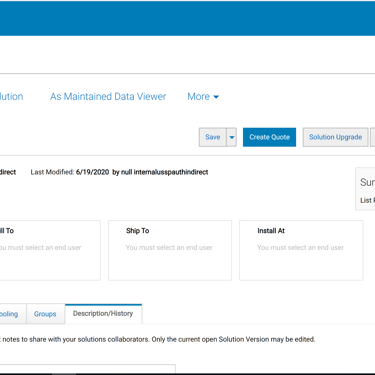
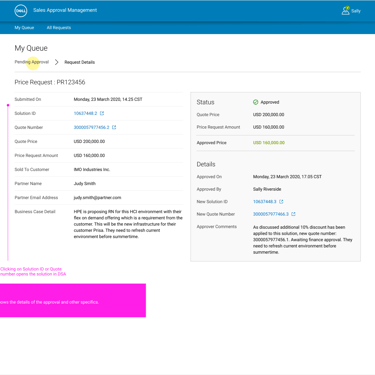
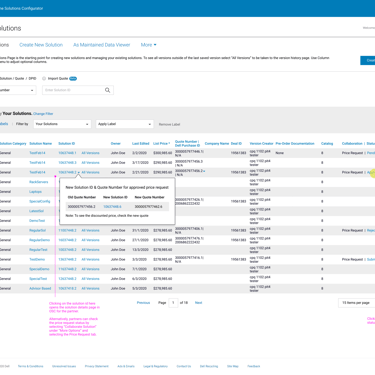
🎨 Final Design & Implementation
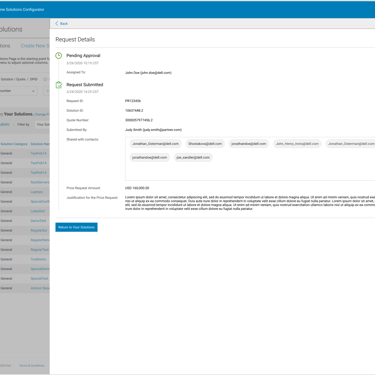
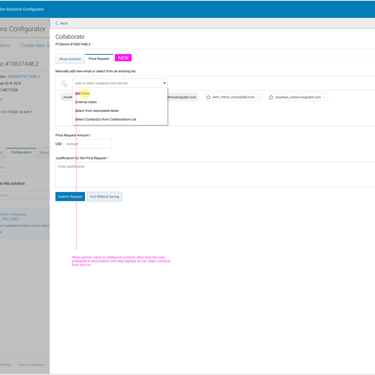
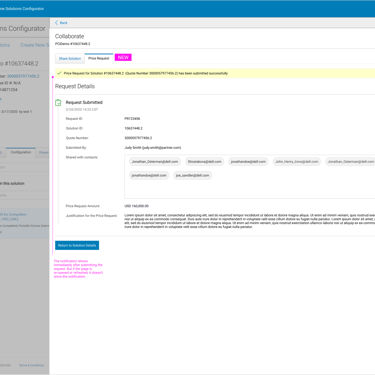
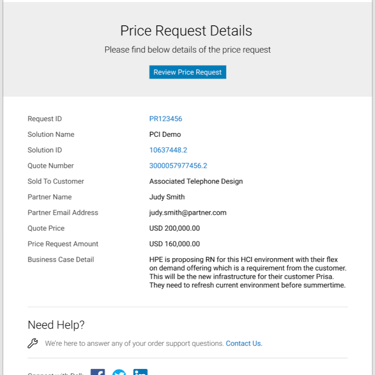
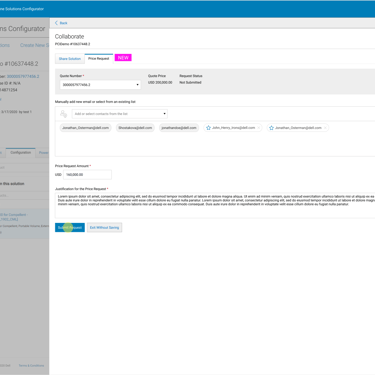
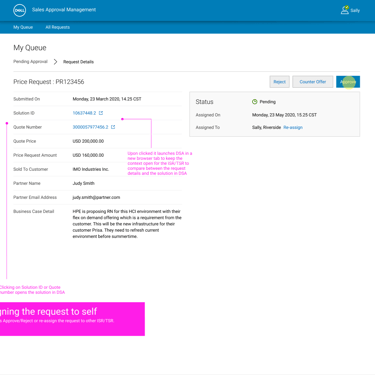
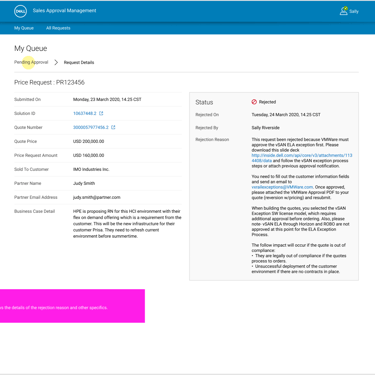
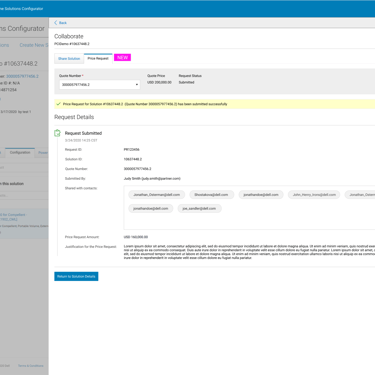
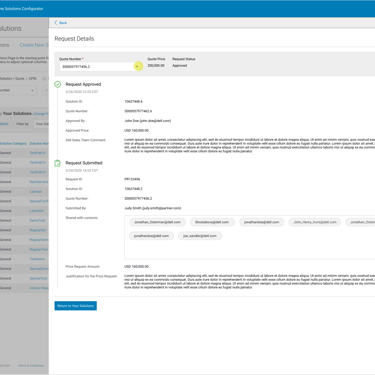
I designed high-fidelity wireframes in Figma, ensuring:
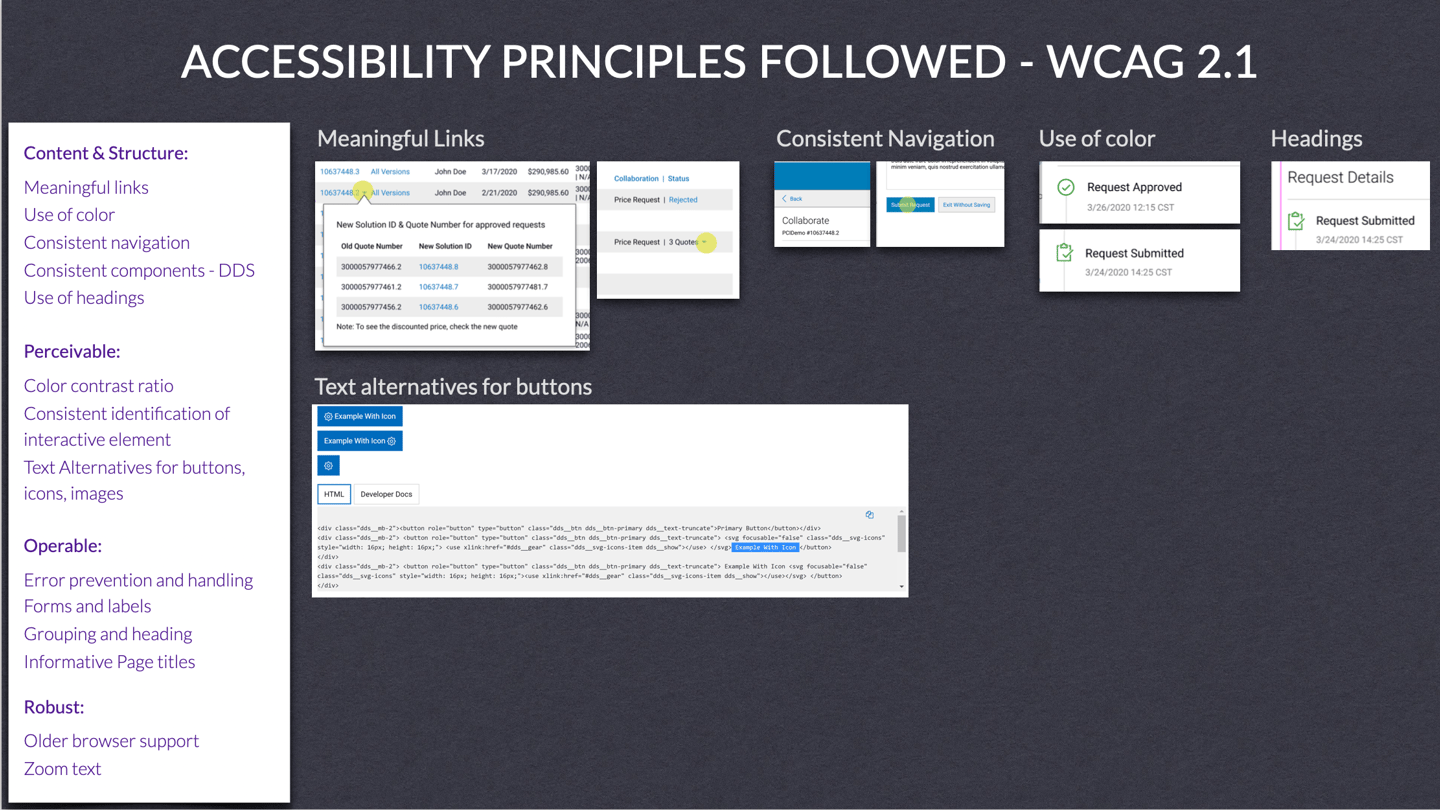
✔ Alignment with Dell Design System for consistency.
✔ Scalability across overlapping product lines & global releases.
✔ Accessibility compliance (WCAG) to support all users.
✔ Developer-ready redlines & CSS mappings for seamless handoff.
👨💻 Agile Collaboration: Worked alongside engineers to clarify requirements, iterate on feedback, and ensure a smooth development process.
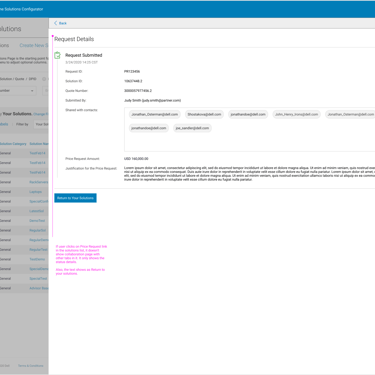
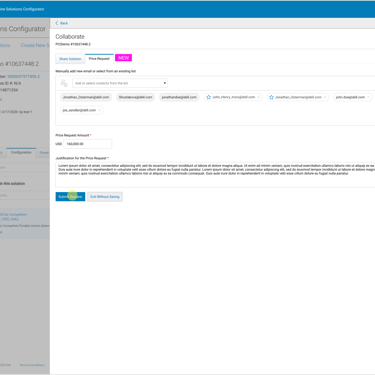
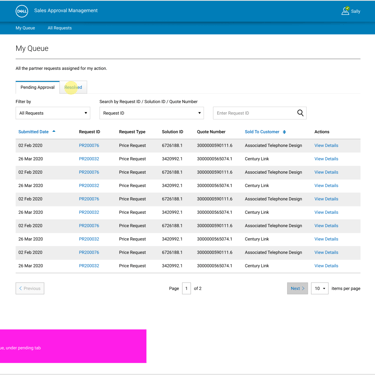
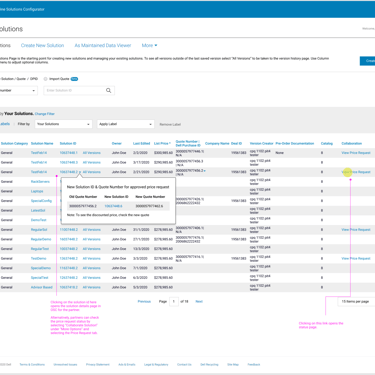
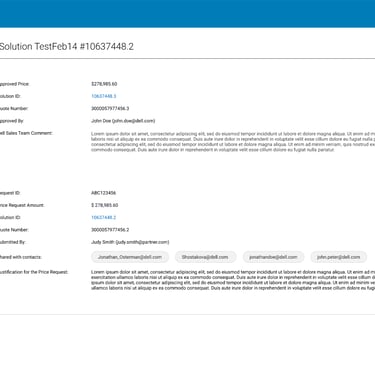
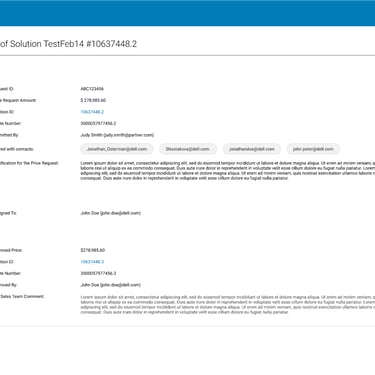
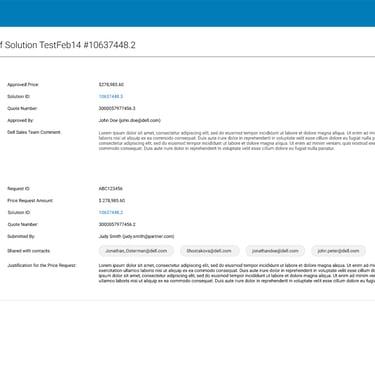
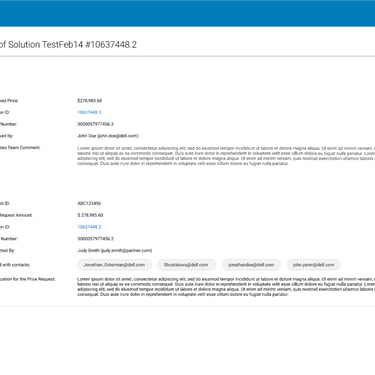
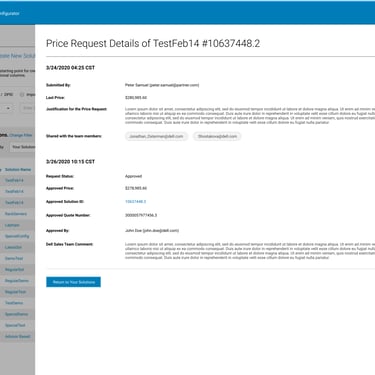
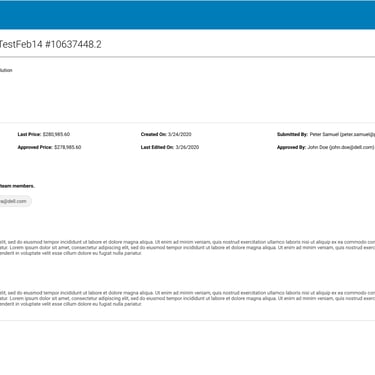
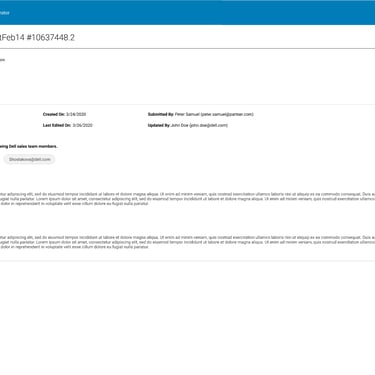
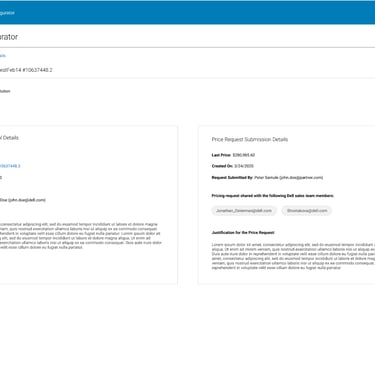
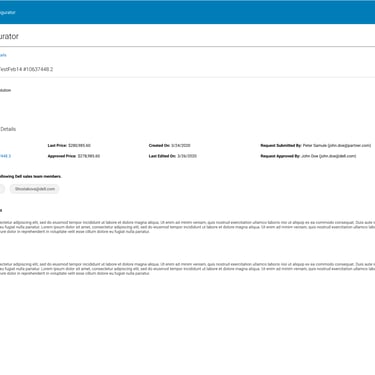
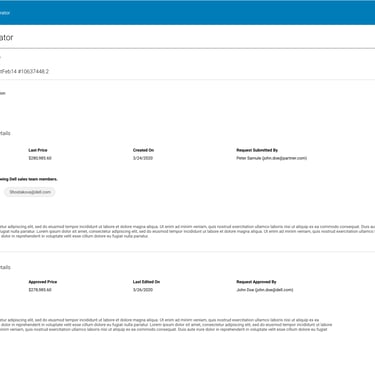
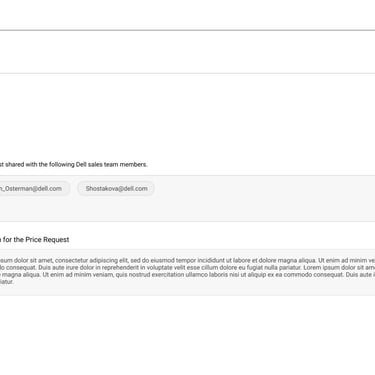
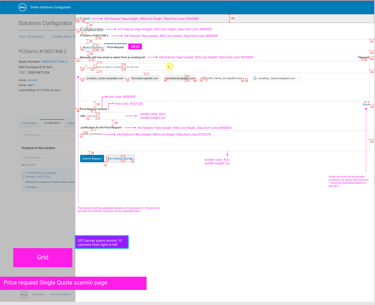
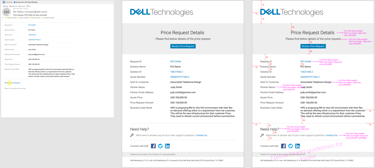
Visual designs
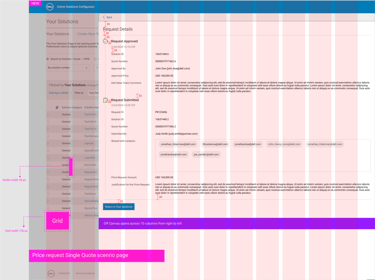
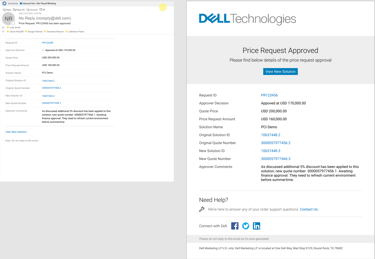
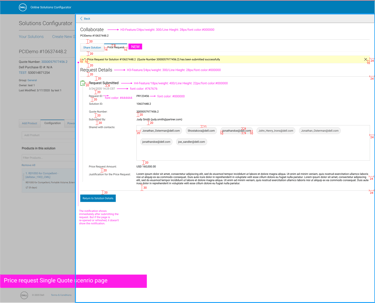
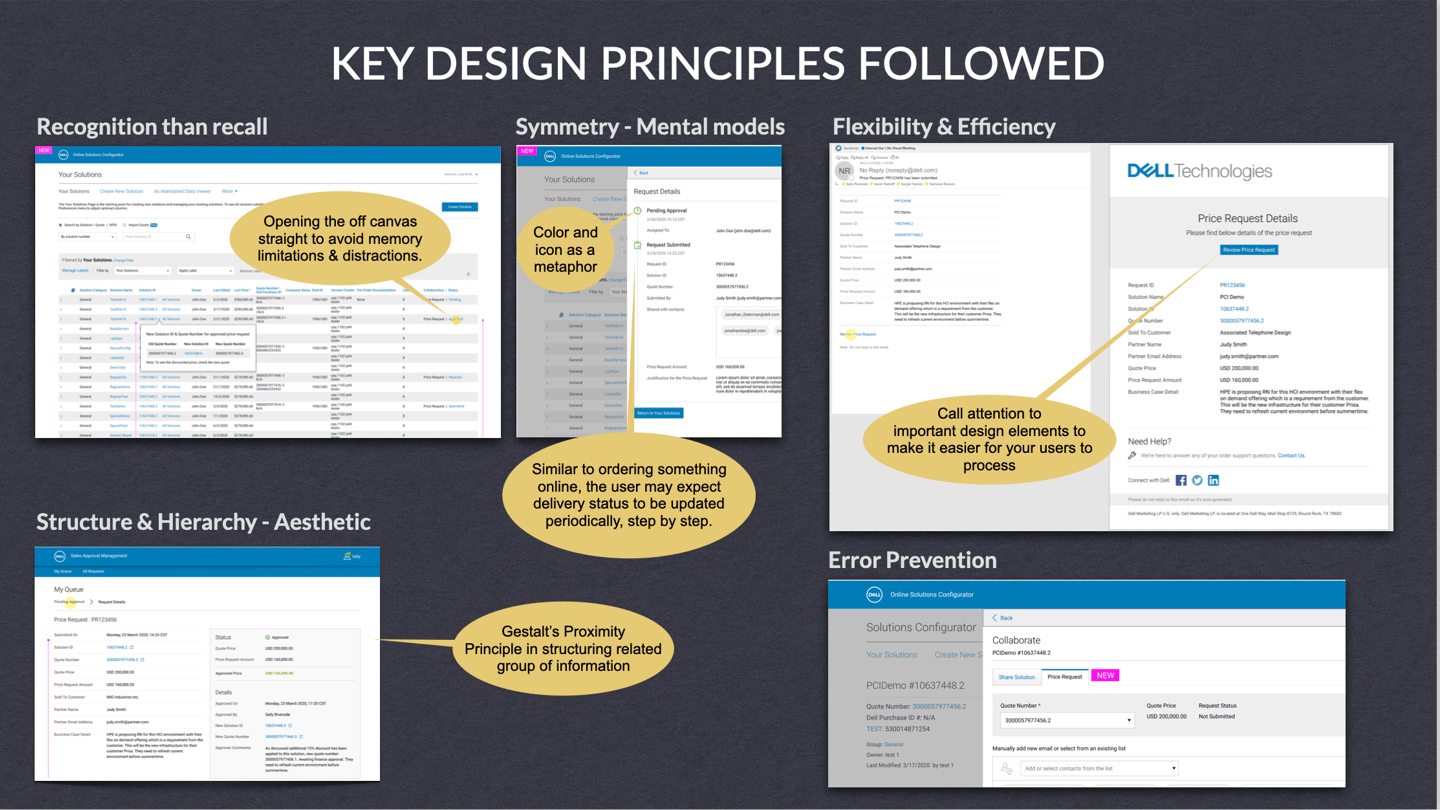
Key design principles followed
Accessibility reviews
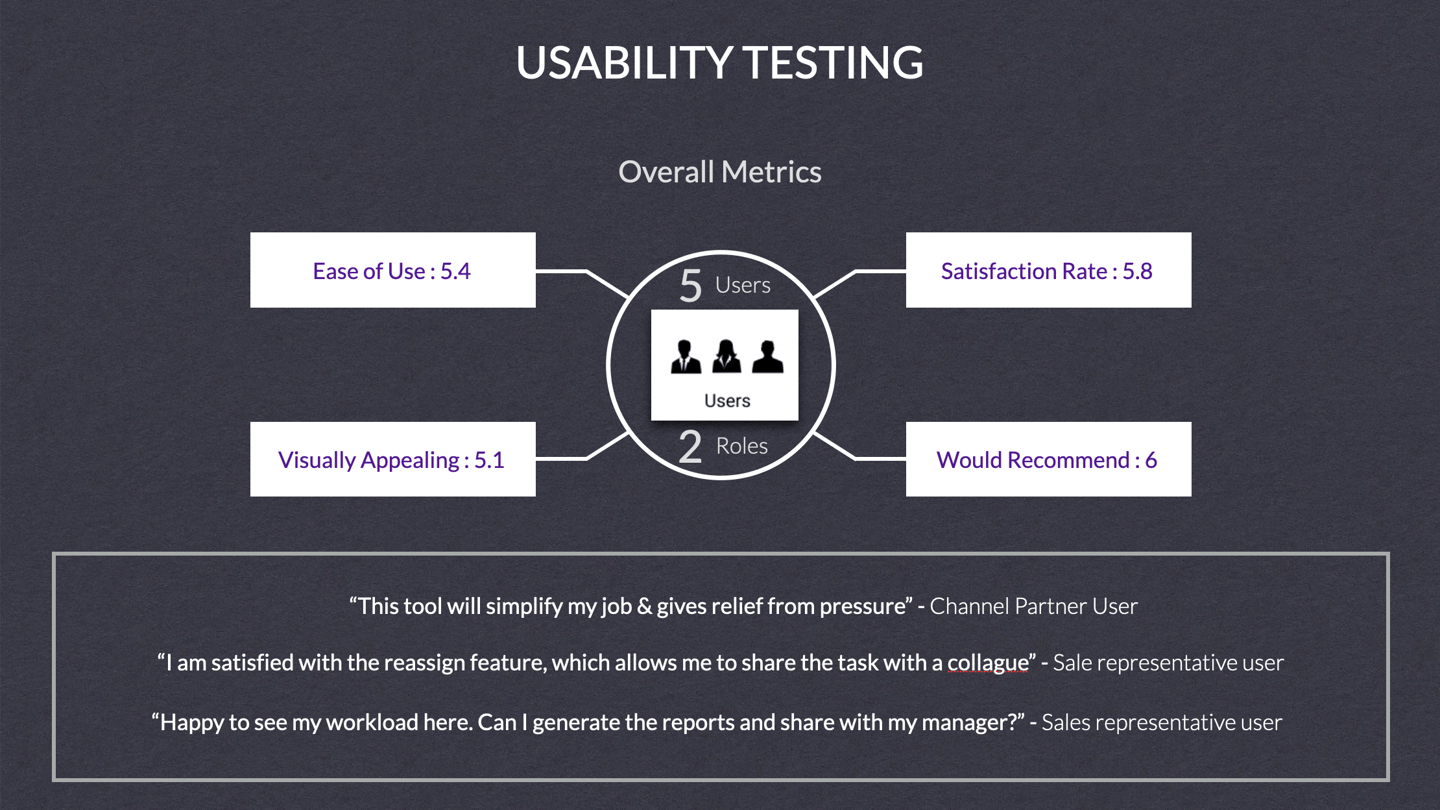
Usability test results
Final Outcomes
📊 Measuring Success
🔹 Navigating complex enterprise environments & communication.
🔹 Managing constraints & prioritizing impact-driven solutions.
🔹 Aligning Design & Business KPIs to drive measurable outcomes.
🔹 Leveraging design systems & accessibility for scalable UX.
🔹 Strengthening cross-functional collaboration & stakeholder alignment.
🚀 Final Thoughts: This project was a game-changer in optimizing Dell’s sales workflow, significantly improving efficiency, user satisfaction, and deal closures.
Post-launch, I worked with Product Management to track key performance metrics:
📈 Number of requests created over time.
⏳ SLA compliance rates (on-time vs. delayed responses).
📌 Request status breakdown: Approved, rejected, or negotiated.
📊 Results:
Initially, response rates were low.
After 2 months, response rates increased to 80%, meeting our goal.
Continuous iteration opportunities remain to further improve satisfaction levels and analyze rejection reasons.